The scientific community is abuzz with a groundbreaking development in pandemic forecasting. Researchers have successfully employed deep learning algorithms to simulate complex cross-species viral transmission chains, potentially revolutionizing our approach to preventing future outbreaks. This innovative technique, dubbed "Viral Storm Prediction," offers unprecedented insights into how pathogens might jump between animals and humans.
The Genesis of Viral Storm Prediction
What began as theoretical discussions in computational biology labs has now materialized into a functional predictive framework. The team behind this breakthrough combined neural networks with evolutionary biology principles, creating models that analyze millions of potential mutation pathways. Unlike traditional epidemiological models that track known viruses, this system anticipates novel zoonotic threats before they emerge in nature.
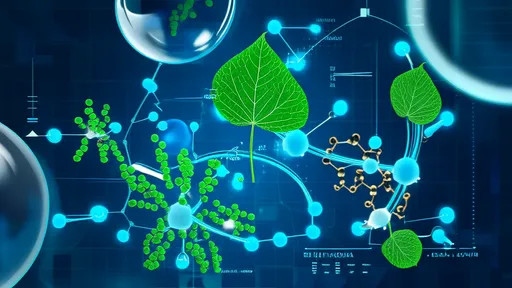
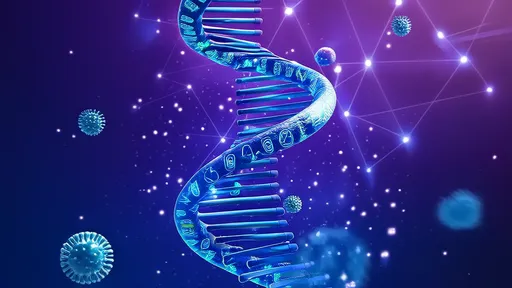
The technology examines subtle patterns in viral protein structures and genetic sequences that might enable cross-species jumps. By training on vast datasets spanning decades of viral evolution across mammals, birds, and other potential reservoirs, the AI identifies high-risk interfaces where human and animal ecosystems intersect. "We're not just predicting pandemics," explains lead researcher Dr. Elena Marquez, "we're mapping the entire battlefield of viral evolution."
How the System Works
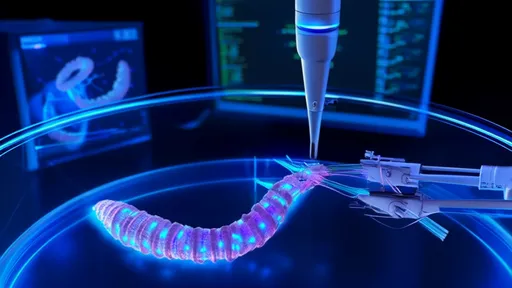
At its core, the prediction model functions as a digital petri dish where virtual viruses evolve under simulated environmental pressures. The deep learning architecture evaluates countless scenarios of viral adaptation, weighting factors like mutation rates, host immune responses, and ecological changes. Particularly innovative is its ability to model "viral fitness landscapes" - multidimensional representations of how well different viral variants might thrive in new hosts.
The system's predictive power comes from its layered approach. Initial screening identifies viral families with high plasticity, followed by detailed simulations of potential spillover events. What makes this distinct from previous attempts is the incorporation of real-world ecological data - everything from deforestation patterns to live animal market supply chains - creating dynamic risk assessments that update as conditions change.
Early Successes and Validations
In retrospective testing, the model accurately reconstructed known zoonotic transmission events, including the evolutionary path of SARS-CoV-2. More impressively, it flagged several animal viruses currently circulating in nature that possess concerning adaptive potential. Field researchers have since confirmed some of these predictions, isolating viral strains that match the AI's high-risk profiles.
One notable case involved a coronavirus strain in Southeast Asian bats that the system identified as particularly dangerous six months before researchers detected it in pangolin populations. This early warning allowed targeted surveillance that might prevent another pandemic scenario. "We're moving from reactive to proactive virology," notes WHO consultant Dr. Rajiv Patel, "though the challenge now is translating predictions into prevention."
Ethical and Practical Considerations
As with any powerful predictive technology, Viral Storm Prediction raises important questions. Some ethicists worry about the consequences of labeling certain animal populations as "high-risk," potentially leading to harmful culling practices. Others emphasize the need for careful communication to avoid unnecessary public panic over predicted threats that may never materialize.
On the practical side, implementing preventive measures based on AI predictions requires unprecedented international cooperation. The system's developers stress that their tool should guide targeted surveillance and ecological preservation efforts rather than spur fear-driven interventions. "Prediction is only valuable if it leads to prudent preparation," cautions Dr. Marquez, "not paranoia."
The Road Ahead
Looking forward, researchers aim to refine the model's accuracy while expanding its scope to include bacterial and fungal pathogens. Parallel efforts focus on developing rapid response protocols that can be activated when the system detects high-probability threats. Some public health agencies are already experimenting with "preemptive vaccine" programs targeting predicted viral families.
Perhaps most exciting is the potential to use these predictions for ecological conservation. By identifying specific human-animal interfaces that facilitate viral jumps, the technology could guide policies to reduce dangerous interactions while preserving biodiversity. In this way, Viral Storm Prediction might not just forecast pandemics, but help prevent them at their source.
As the scientific community grapples with this powerful new tool, one thing becomes clear: we stand at the threshold of a new era in pandemic prevention. The marriage of deep learning and virology promises to transform our relationship with infectious diseases, offering hope that future outbreaks might be stopped before they ever begin.
By /Aug 18, 2025
By /Aug 18, 2025
By /Aug 18, 2025
By /Aug 18, 2025
By /Aug 18, 2025

By /Aug 18, 2025

By /Aug 18, 2025
By /Aug 18, 2025

By /Aug 18, 2025
By /Aug 18, 2025
By /Aug 18, 2025
By /Aug 18, 2025
By /Aug 18, 2025
By /Aug 18, 2025
By /Aug 18, 2025
By /Aug 18, 2025
By /Aug 18, 2025
By /Aug 18, 2025
By /Aug 18, 2025
By /Aug 18, 2025
