Food Safety Production: Construction of a Comprehensive Quality Control System

Aug 25, 2025 By

The landscape of global food production is undergoing a profound transformation, driven by increasing consumer awareness, stringent regulatory demands, and the complex nature of modern supply chains. At the heart of this evolution lies the concept of a Total Quality Control (TQC) system, a holistic approach that transcends traditional end-product inspection. This paradigm shift moves the focus from merely detecting failures to proactively preventing them, embedding safety and quality into every single step of the food journey, from farm to fork.

The journey of a food product is a long and intricate one, often spanning continents and involving numerous stakeholders. It begins with the primary producers—the farmers and growers. Here, the foundation of safety is laid. A robust TQC system mandates stringent controls over agricultural inputs. This includes the sourcing and verification of seeds, animal feed, water quality, and soil health. The prudent and documented use of pesticides, fertilizers, and veterinary medicines is paramount, ensuring that raw materials entering the chain do not carry inherent hazards. This initial phase is not merely about production yield; it is about cultivating safety from the very origin.

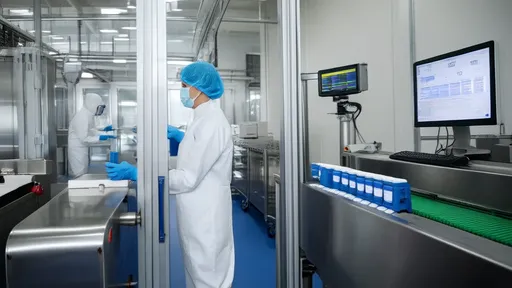
Once harvested, raw materials enter the processing and manufacturing realm, a stage where biological, chemical, and physical hazards must be rigorously managed. This is where foundational frameworks like Hazard Analysis and Critical Control Points (HACCP) become operational. HACCP is not a standalone program but rather the engine within the larger TQC vehicle. It provides a systematic, scientific methodology for identifying significant hazards, establishing critical limits at control points, and implementing monitoring procedures. However, for HACCP to be effective, it must be built upon a solid base of prerequisite programs—hygienic facility design, sanitation standard operating procedures (SSOPs), allergen control, and supplier approval mechanisms. A true TQC system integrates all these elements seamlessly, creating a multi-layered defense against contamination and quality degradation.

The role of technology in enabling a verifiable TQC system cannot be overstated. Modern traceability solutions, often leveraging blockchain and IoT sensors, provide an immutable digital record of a product's journey. Imagine scanning a QR code on a package of meat and instantly viewing the animal's origin, feed records, slaughterhouse data, storage temperatures during transit, and processing dates. This level of transparency is no longer futuristic; it is becoming an industry expectation. This digital backbone allows for unprecedented visibility, making it possible to pinpoint the source of a contamination event within minutes instead of weeks, thereby minimizing public health risks and economic losses from large-scale recalls.

An often-underestimated pillar of the TQC system is the human element. Technology and protocols are ineffective without a culture of quality that is embraced at every organizational level. This requires continuous and comprehensive training programs for all personnel, from line workers to senior management. Employees must be empowered and trained to understand the 'why' behind the 'what,' recognizing their critical role as guardians of food safety. Furthermore, a culture that encourages reporting of near-misses and potential issues without fear of reprisal is essential for continuous improvement. The system is only as strong as the people who operate it daily.

The responsibility of a producer does not end once the product leaves the factory gate. The supply chain—encompassing transportation, warehousing, and distribution—presents its own set of risks. Temperature abuse is a classic example of a failure that can ruin a perfectly safe product. A comprehensive TQC system extends its reach to oversee these logistics partners. This involves vetting transporters for their compliance history, mandating the use of calibrated temperature monitoring devices, and establishing clear protocols for handling deviations. The goal is to maintain the cold chain (or dry chain) integrity, ensuring the product reaches the retailer, and ultimately the consumer, in the same state of safety and quality it was in when it was shipped.

Finally, the system must be dynamic, not static. This is achieved through a closed-loop process of verification and validation. Verification activities, such as internal audits, equipment calibration, and environmental testing, confirm that the planned controls are being followed correctly. Validation, on the other hand, provides evidence that these controls are scientifically and technically sound enough to ensure safety. Together, they form a feedback mechanism. Data from these activities, coupled with customer feedback and market surveillance, must be systematically analyzed. This analysis fuels a cycle of continuous improvement, allowing the TQC system to adapt to new threats, new technologies, and evolving consumer expectations.

In conclusion, building a Total Quality Control system for food safety is a complex but non-negotiable endeavor in the 21st century. It is a comprehensive philosophy that integrates advanced technology, scientific principles, and a empowered workforce into a seamless, transparent, and traceable framework. It moves far beyond simple compliance, aiming instead to build unshakable consumer trust and brand reputation. In a world where a single food safety incident can have devastating consequences, a robust, whole-process TQC system is the strongest insurance policy a food company can invest in. It is the definitive blueprint for delivering not just food, but guaranteed safety, to every table.

Recommend Posts
Science

Consciousness Research: Exploration of Neural Correlates of Consciousness

By /Aug 25, 2025

In the quiet corridors of neuroscience laboratories, a profound question echoes through the minds of researchers: where does consciousness reside? The quest to identify the neural correlates of consciousness (NCC) represents one of the most ambitious and elusive endeavors in modern science. It is a pursuit that straddles the boundaries between philosophy, biology, and psychology, seeking to pinpoint the precise mechanisms in the brain that give rise to subjective experience. For centuries, consciousness was considered the domain of philosophers, a ethereal concept beyond empirical reach. Today, armed with advanced imaging technologies and innovative experimental paradigms, scientists are gradually peeling back the layers of this mystery.
Science

Neuromodulation Techniques: Therapeutic Applications of Non-Invasive Brain Stimulation

By /Aug 25, 2025

In the evolving landscape of neurological and psychiatric therapeutics, non-invasive brain stimulation techniques have emerged as a transformative approach, offering new hope for conditions once deemed refractory to conventional treatments. These methods, which modulate neural activity without surgical intervention, represent a convergence of technological innovation and deepening understanding of brain circuitry. Unlike pharmacological interventions that often come with systemic side effects or invasive procedures that carry inherent risks, non-invasive neuromodulation provides a targeted, adjustable, and generally well-tolerated alternative. The field has rapidly advanced from experimental curiosity to clinical reality, with applications spanning from depression and chronic pain to neurodegenerative disorders and cognitive enhancement.
Science

Neurological Disease Models: Animal Models for Disease Mechanism Research

By /Aug 25, 2025

Animal models have long served as the cornerstone of neurological disease research, providing indispensable platforms for unraveling the complex mechanisms underlying these debilitating conditions. The intricate pathophysiology of disorders such as Alzheimer's disease, Parkinson's disease, amyotrophic lateral sclerosis, and multiple sclerosis cannot be fully captured through in vitro systems alone. These models bridge the critical gap between cellular studies and human clinical applications, allowing researchers to observe disease progression in a whole-organism context, test therapeutic interventions, and evaluate behavioral outcomes that mirror human symptoms. The continued evolution of these models reflects our growing understanding of neural circuitry, molecular pathways, and genetic factors that contribute to disease pathogenesis.
Science

Cognitive Mechanism Research: Neural Basis of Learning and Memory

By /Aug 25, 2025

The intricate dance of learning and memory within the human brain represents one of neuroscience's most captivating subjects. For centuries, philosophers and scientists alike have pondered the mechanisms that allow us to acquire new information, store it, and recall it at will. Today, cutting-edge research continues to peel back the layers of this complex process, revealing a sophisticated neural architecture governed by precise biological rules. The journey from a fleeting thought to a lasting memory involves a symphony of electrical impulses, chemical signals, and structural changes at the synaptic level, all working in concert to shape our understanding of the world and ourselves.
Science

Brain Connectome Atlas: Reconstruction and Analysis of Neural Circuits

By /Aug 25, 2025

In the ever-evolving landscape of neuroscience, the mapping and deciphering of the brain's intricate wiring—known as the connectome—has emerged as one of the most ambitious and transformative endeavors of our time. The human brain, with its billions of neurons and trillions of connections, represents perhaps the most complex biological structure known to science. For decades, researchers have sought to unravel its mysteries, but it is only in recent years that technology has begun to catch up with ambition, enabling unprecedented insights into the neural circuits that underpin everything from basic motor functions to the complexities of human consciousness.
Science

Clinical Application of Gene Therapy Drugs for Rare Diseases

By /Aug 25, 2025

In the evolving landscape of medical science, the application of gene therapy for rare diseases represents one of the most groundbreaking advancements of the 21st century. Rare diseases, often caused by specific genetic mutations, have long posed significant challenges due to their low prevalence and the consequent lack of targeted treatments. For decades, patients and clinicians faced limited options, relying mostly on symptomatic management rather than addressing the root cause. However, the emergence of gene therapy has begun to rewrite this narrative, offering hope where there was once resignation.
Science

Drug Delivery Systems: Breakthroughs in Targeted Drug Delivery Technology

By /Aug 25, 2025

The landscape of modern medicine is undergoing a profound transformation, driven by innovations that promise to redefine therapeutic efficacy and patient outcomes. Among these, the breakthroughs in targeted drug delivery systems stand out as a particularly revolutionary frontier. This sophisticated approach moves beyond the conventional one-size-fits-all methodology of systemic drug administration, aiming instead to deliver therapeutic agents precisely to the site of disease with minimal off-target effects. The implications are staggering, offering the potential to enhance drug potency, reduce debilitating side effects, and ultimately, usher in a new era of personalized and precision medicine.
Science

Antibiotic Resistance: Development of New Antimicrobial Drugs

By /Aug 25, 2025

The specter of antibiotic resistance looms large over modern medicine, a silent pandemic unfolding in hospitals and communities worldwide. For decades, these miracle drugs have served as the bedrock of our defense against bacterial infections, turning once-lethal diseases into manageable conditions. Yet this golden era is under threat. Bacteria, in their relentless drive for survival, have evolved sophisticated mechanisms to evade the very compounds designed to kill them. The relentless selection pressure exerted by the widespread—and often inappropriate—use of antibiotics has accelerated this evolutionary arms race, pushing us toward a precarious future where common infections could once again become deadly.
Science

Innovative Adaptive Trial Designs in Clinical Research

By /Aug 25, 2025

In the ever-evolving landscape of clinical research, adaptive trial designs have emerged as a transformative approach, challenging the rigidity of traditional methodologies. Unlike conventional trials that follow a fixed, pre-specified protocol from start to finish, adaptive designs allow for planned modifications based on interim data analyses. This flexibility is not a sign of indecision but a strategic evolution, enabling researchers to learn from accumulating data and refine the trial while it is ongoing. The core philosophy is one of efficiency and responsiveness, aiming to maximize the information gleaned from each participant and accelerate the path to reliable conclusions about a treatment's safety and efficacy.
Science

New Drug Screening Technology: AI-assisted Drug Design

By /Aug 25, 2025

The pharmaceutical industry stands at the precipice of a transformative era, driven by the relentless advancement of artificial intelligence. For decades, the process of discovering a new therapeutic compound has been a monumental undertaking, often described as finding a needle in a haystack. It is a journey fraught with astronomical costs, a high rate of failure, and a timeline that can stretch beyond a decade. Traditional methods, reliant on brute-force screening of vast chemical libraries and serendipitous discoveries, are increasingly seen as unsustainable. In this challenging landscape, AI-assisted drug design has emerged not merely as an incremental improvement, but as a paradigm shift, promising to redefine the very essence of how medicines are conceived, designed, and brought to patients.
Science

Sustainable Food Practices: Reducing Waste and Recycling Resources

By /Aug 25, 2025

In the quiet corners of our kitchens and the bustling aisles of supermarkets, a silent revolution is taking root—one that redefines our relationship with food beyond mere sustenance. The conversation around food sustainability has shifted from abstract environmental concerns to tangible actions centered on waste reduction and resource circularity. This isn’t just about composting or recycling; it’s about reimagining an entire system.
Science

Functional Foods: Scientific Validation of Health Benefits

By /Aug 25, 2025

In recent years, the global food industry has witnessed a significant surge in the popularity of functional foods, driven by growing consumer awareness of health and wellness. Unlike conventional foods, functional foods are specifically designed to provide health benefits beyond basic nutrition, targeting everything from improved digestion to enhanced cognitive function. However, as these products flood supermarket shelves and online marketplaces, the critical question remains: how scientifically valid are their claimed health benefits?
Science

Innovations in Food Processing: Technologies for Nutrition Preservation and Quality Enhancement

By /Aug 25, 2025

The landscape of food processing has undergone a remarkable transformation over the past decade, driven by an insatiable demand for products that are not only safe and convenient but also nutritionally dense and sensorially superior. This evolution marks a significant departure from traditional methods, which often prioritized shelf stability and mass production at the expense of nutritional integrity and quality. Today, the industry stands at the intersection of technology and wellness, where innovation is relentlessly focused on a dual objective: preserving the inherent goodness of raw ingredients while simultaneously elevating the overall eating experience. This paradigm shift is not merely a trend but a fundamental reimagining of how we approach food from farm to fork.
Science

Development of New Rapid Detection Methods for Food Safety

By /Aug 25, 2025

The landscape of food safety testing is undergoing a profound transformation, driven by the urgent need for speed and accuracy in a globalized food supply chain. Traditional laboratory methods, while reliable, often involve time-consuming processes that can delay critical decisions, leading to potential public health risks and significant economic losses. In response, a wave of innovation is cresting, focused on the development of novel rapid detection methods. These advancements are not merely incremental improvements but represent a paradigm shift towards real-time, on-site analysis, empowering stakeholders from farm to fork with unprecedented tools to ensure food integrity.
Science

Foodomics Technology: Precise Analysis of Nutritional Components

By /Aug 25, 2025

In the evolving landscape of nutritional science, a groundbreaking approach has emerged that promises to revolutionize how we understand and interact with food. Foodomics, an interdisciplinary field combining advanced analytical techniques with bioinformatics, is unlocking unprecedented insights into the precise composition of nutrients in what we consume. This sophisticated methodology goes far beyond traditional nutritional labeling, offering a molecular-level perspective that could transform personalized nutrition, food safety, and agricultural practices.
Science

Food Safety Production: Construction of a Comprehensive Quality Control System

By /Aug 25, 2025

The landscape of global food production is undergoing a profound transformation, driven by increasing consumer awareness, stringent regulatory demands, and the complex nature of modern supply chains. At the heart of this evolution lies the concept of a Total Quality Control (TQC) system, a holistic approach that transcends traditional end-product inspection. This paradigm shift moves the focus from merely detecting failures to proactively preventing them, embedding safety and quality into every single step of the food journey, from farm to fork.
Science

Promoting Sustainable Agricultural Development: The Expansion of Ecological Agriculture Models

By /Aug 25, 2025

In the heart of rural communities across the globe, a quiet revolution is taking root. Farmers, researchers, and policymakers are increasingly turning their attention to agroecological practices as a pathway toward sustainable agriculture. This shift is not merely a trend but a necessary response to the mounting challenges of climate change, soil degradation, water scarcity, and biodiversity loss. The promotion of ecological farming models represents a fundamental reimagining of how we produce food, prioritizing harmony with nature over short-term yields.
Science

New Approaches for Soil Health Assessment: Microbial Indicators

By /Aug 25, 2025

Soil health has long been measured through traditional chemical and physical indicators, but a quiet revolution is taking place beneath our feet. Researchers and agronomists are increasingly turning their attention to the microscopic world of soil ecosystems, recognizing that microbial communities hold the key to understanding soil vitality in ways we never imagined. This paradigm shift represents not just an academic curiosity but a fundamental change in how we approach land management and agricultural sustainability.
Science

Smart Agriculture: The Application of IoT in Farmland Management

By /Aug 25, 2025

The agricultural landscape is undergoing a profound transformation, shifting from traditional practices to a data-driven paradigm known as smart farming. At the heart of this revolution lies the Internet of Things (IoT), a network of interconnected devices that is fundamentally reshaping how we manage and cultivate our farmlands. This is not a distant future concept; it is a present-day reality where sensors in the soil, drones in the air, and analytics in the cloud are working in concert to create a new era of precision and efficiency in agriculture.
Science

Application Effects of Genomic Selection in Crop Breeding

By /Aug 25, 2025

The agricultural landscape is undergoing a silent revolution, one driven not by tractors or fertilizers, but by the invisible code of life itself: DNA. At the forefront of this transformation is a powerful technique known as genomic selection, a method that is fundamentally reshaping the art and science of crop breeding. Unlike traditional approaches that relied on observable traits and lengthy field trials, genomic selection allows scientists to predict a plant's potential from its genetic blueprint long before it ever flowers or bears fruit. This paradigm shift is accelerating the development of superior crop varieties with unprecedented speed and precision, offering a potent weapon in the global fight for food security.