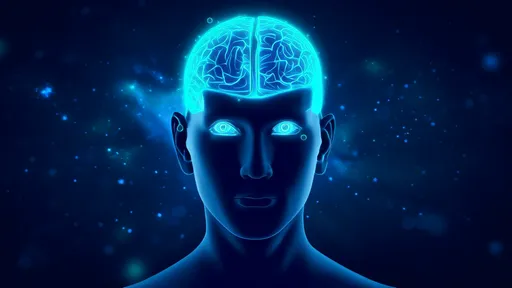
In the evolving landscape of neurological and psychiatric therapeutics, non-invasive brain stimulation techniques have emerged as a transformative approach, offering new hope for conditions once deemed refractory to conventional treatments. These methods, which modulate neural activity without surgical intervention, represent a convergence of technological innovation and deepening understanding of brain circuitry. Unlike pharmacological interventions that often come with systemic side effects or invasive procedures that carry inherent risks, non-invasive neuromodulation provides a targeted, adjustable, and generally well-tolerated alternative. The field has rapidly advanced from experimental curiosity to clinical reality, with applications spanning from depression and chronic pain to neurodegenerative disorders and cognitive enhancement.
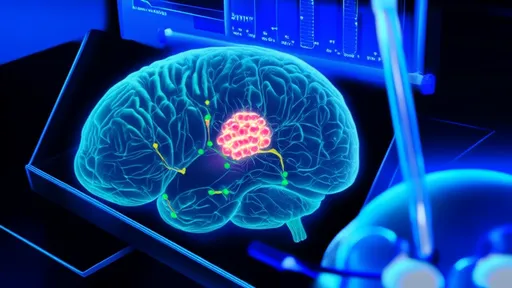
The cornerstone of non-invasive brain stimulation lies in its ability to influence neuronal excitability and synaptic plasticity through external application of energy—be it electrical, magnetic, or even acoustic. Transcranial Magnetic Stimulation (TMS), for instance, utilizes electromagnetic induction to generate electric currents in specific brain regions, capable of either enhancing or suppressing neural activity depending on parameters. Similarly, transcranial Direct Current Stimulation (tDCS) applies low-intensity electrical currents to modulate resting membrane potentials, subtly shifting the likelihood of neuronal firing. These techniques exploit the brain’s inherent plasticity, encouraging adaptive changes that can alleviate symptoms or restore function. The precision of modern systems allows clinicians to focus on networks implicated in specific pathologies, such as the dorsolateral prefrontal cortex in depression or the motor cortex in stroke rehabilitation.
One of the most established applications is in the treatment of major depressive disorder, particularly treatment-resistant depression. Repeated sessions of high-frequency TMS over the left dorsolateral prefrontal cortex have demonstrated efficacy comparable to antidepressant medications in some studies, leading to FDA approval and widespread clinical adoption. Patients who have cycled through multiple pharmacotherapies without success often find significant relief, with improvements in mood, energy, and cognitive function. The mechanism is believed to involve normalization of dysfunctional cortical-limbic circuits, rebalancing activity in regions critical for emotional regulation. Unlike electroconvulsive therapy, TMS does not require anesthesia or induce seizures, making it an outpatient procedure with minimal downtime.
Beyond psychiatry, neuromodulation shows promise in managing chronic pain conditions, such as fibromyalgia and neuropathic pain. Techniques like transcranial Alternating Current Stimulation (tACS) can entrain brain oscillations, disrupting maladaptive rhythmic activity associated with pain perception. By targeting the motor cortex or prefrontal areas, these interventions not only reduce pain intensity but also address the emotional and cognitive aspects of suffering. This multimodal approach is particularly valuable given the limitations of opioids and other analgesics, which often provide incomplete relief while posing risks of dependence and tolerance. Non-invasive methods offer a sustainable strategy for long-term management, empowering patients to regain control over their lives.
Neurorehabilitation represents another frontier where brain stimulation is making significant inroads. Stroke survivors with motor deficits, for example, benefit from combined protocols where TMS or tDCS primes the brain for physical therapy, enhancing neuroplasticity and accelerating recovery. By stimulating the lesioned hemisphere or inhibiting the contralateral side to reduce interhemispheric inhibition, these techniques help rebalance cortical excitability, facilitating relearning of movements. Similarly, in neurodegenerative diseases like Parkinson’s, repetitive TMS can ameliorate tremors and gait disturbances by modulating basal ganglia-thalamocortical loops. These applications highlight the role of neuromodulation not just as a standalone treatment but as an adjunct that synergizes with other therapeutic modalities.
The potential for cognitive enhancement in both healthy and clinical populations has also sparked interest. Studies suggest that tDCS applied to frontal or parietal regions can improve working memory, attention, and decision-making, with implications for aging, traumatic brain injury, or even occupational performance. While ethical considerations around neuroenhancement warrant careful discourse, the therapeutic benefits for those with cognitive impairments are undeniable. In conditions like Alzheimer’s disease, where pharmacological options are limited, neuromodulation offers a ray of hope by potentially slowing decline or enhancing compensatory mechanisms. The ability to non-invasively tune brain networks opens doors to personalized interventions tailored to an individual’s neural signature.
Technological advancements continue to refine the precision and accessibility of these tools. The development of high-definition electrodes for tDCS allows for more focal stimulation, reducing off-target effects. Closed-loop systems, which adjust stimulation parameters in real-time based on EEG feedback, represent the next leap toward adaptive neuromodulation. Such systems could dynamically respond to brain states, optimizing therapeutic outcomes for conditions like epilepsy or sleep disorders. Moreover, the integration of neuroimaging with stimulation protocols enables patient-specific targeting, ensuring that interventions are anatomically and functionally precise. These innovations are making brain stimulation more effective, reproducible, and scalable.
Despite the enthusiasm, challenges remain. Individual variability in response— influenced by factors like anatomy, baseline neural activity, and genetics— necessitates a more nuanced approach to protocol design. The placebo effect, particularly in subjective outcomes like pain or mood, requires rigorous blinding and sham-controlled trials to validate efficacy. Long-term safety profiles, especially for frequent or intensive use, are still being elucidated. Additionally, accessibility and cost can be barriers, though efforts are underway to develop portable, affordable devices for home use. Interdisciplinary collaboration among neurologists, psychiatrists, engineers, and computational neuroscientists is essential to address these hurdles and realize the full potential of non-invasive neuromodulation.
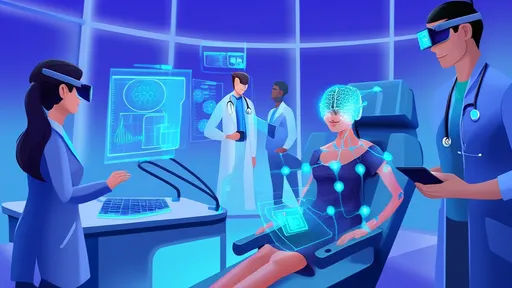
Looking ahead, the convergence of brain stimulation with other emerging technologies like artificial intelligence and virtual reality could redefine therapeutic paradigms. AI-driven algorithms might predict optimal stimulation parameters for individual patients, while VR environments could provide contextualized training during neuromodulation, enhancing engagement and outcomes. The prospect of non-invasively manipulating specific neural circuits with temporal precision brings us closer to treating brain disorders with the same level of specificity that we target infections with antibiotics. As research unravels the complexities of brain networks and technology continues to evolve, non-invasive neuromodulation stands poised to become a cornerstone of twenty-first-century neuroscience and medicine.
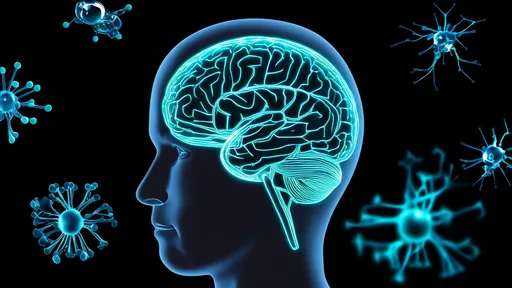
In conclusion, non-invasive brain stimulation techniques have transcended their experimental origins to become vital tools in the therapeutic arsenal. From restoring mental health to reclaiming motor function and sharpening cognition, these methods harness the brain’s plasticity to foster healing and enhancement. While questions remain, the trajectory is clear: neuromodulation is reshaping how we understand and treat the brain, offering a non-invasive, targeted, and adaptable path to better neurological and psychiatric care. As science advances, so too will our ability to modulate the very fabric of our neural being, opening new horizons for human health and potential.
By /Aug 25, 2025
By /Aug 25, 2025

By /Aug 25, 2025
By /Aug 25, 2025
By /Aug 25, 2025
By /Aug 25, 2025
By /Aug 25, 2025

By /Aug 25, 2025

By /Aug 25, 2025
By /Aug 25, 2025

By /Aug 25, 2025

By /Aug 25, 2025
By /Aug 25, 2025

By /Aug 25, 2025

By /Aug 25, 2025
By /Aug 25, 2025

By /Aug 25, 2025

By /Aug 25, 2025
By /Aug 25, 2025
By /Aug 25, 2025
