In the evolving landscape of nutritional science, a groundbreaking approach has emerged that promises to revolutionize how we understand and interact with food. Foodomics, an interdisciplinary field combining advanced analytical techniques with bioinformatics, is unlocking unprecedented insights into the precise composition of nutrients in what we consume. This sophisticated methodology goes far beyond traditional nutritional labeling, offering a molecular-level perspective that could transform personalized nutrition, food safety, and agricultural practices.
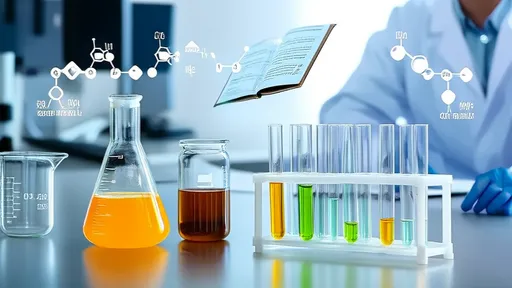
The foundation of foodomics lies in its powerful analytical toolkit, primarily leveraging mass spectrometry, nuclear magnetic resonance spectroscopy, and chromatography. These technologies enable researchers to detect and quantify thousands of compounds simultaneously, from macronutrients like proteins and fats to micronutrients such as vitamins and minerals, along with various bioactive compounds. What makes this approach particularly powerful is its ability to capture the complex interactions between these components, revealing how they work together rather than examining them in isolation.
One of the most exciting applications of foodomics technology is in the realm of personalized nutrition. By analyzing an individual's metabolic response to specific foods through techniques like metabolomics, researchers can develop tailored dietary recommendations that account for genetic predispositions, gut microbiome composition, and lifestyle factors. This moves us beyond one-size-fits-all nutritional advice toward truly personalized eating plans that optimize health outcomes based on individual biological responses to different foods.
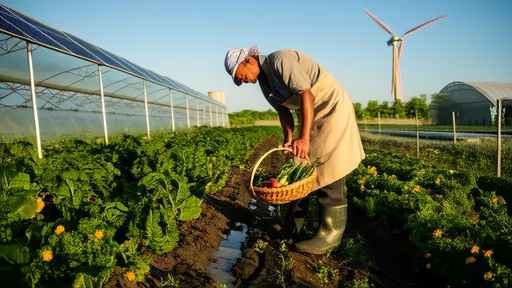
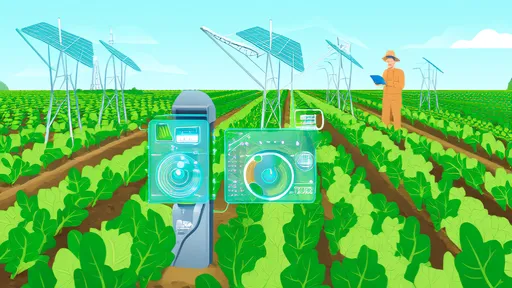
The agricultural sector stands to benefit tremendously from these advancements. Foodomics enables farmers and producers to optimize growing conditions, harvest times, and processing methods to maximize nutritional content. Through detailed analysis of crops under different environmental conditions, researchers can identify the factors that enhance nutrient density and bioactive compound production. This knowledge empowers the development of cultivation practices that not only increase yield but also improve the nutritional quality of our food supply.
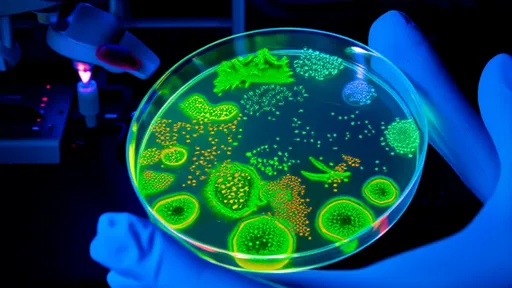
Food safety represents another critical area where foodomics is making significant contributions. Traditional methods of detecting contaminants or adulterants often target specific known compounds, but foodomics approaches can screen for thousands of potential contaminants simultaneously. This comprehensive screening capability is particularly valuable for identifying emerging contaminants or sophisticated adulteration schemes that might escape conventional detection methods. The technology's sensitivity also allows for detecting contaminants at much lower levels than previously possible.
The authenticity and traceability of food products have become increasingly important concerns for consumers and regulators alike. Foodomics techniques can create detailed chemical fingerprints of foods that reflect their geographic origin, production methods, and processing history. This capability is proving invaluable in combating food fraud, ensuring that consumers receive exactly what they pay for, whether it's verifying the provenance of premium olive oil or confirming the organic status of produce.
Despite its tremendous potential, the widespread adoption of foodomics faces several challenges. The technology requires significant expertise to operate the sophisticated instrumentation and interpret the complex data generated. Additionally, the cost of equipment and analysis remains substantial, though it continues to decrease as the technology matures. There are also important questions regarding data standardization and how to translate complex molecular information into practical dietary guidance that consumers can easily understand and implement.
Looking toward the future, foodomics is poised to become increasingly integrated with other emerging technologies. The combination with artificial intelligence and machine learning promises to accelerate data analysis and pattern recognition, potentially uncovering new relationships between diet and health that would remain hidden through conventional research approaches. The integration with wearable technology and continuous monitoring devices could create dynamic nutritional recommendations that adjust in real-time based on an individual's changing physiological state.
As foodomics continues to evolve, it will likely transform not only how we analyze food but how we think about nutrition altogether. The traditional concept of food as merely a source of calories and basic nutrients is giving way to a more nuanced understanding of food as a complex biological system that interacts with our own physiology in sophisticated ways. This paradigm shift promises to deepen our appreciation for the intricate relationship between diet and health while providing the scientific foundation for more effective nutritional strategies.
The ethical implications of this technology deserve careful consideration as well. As foodomics enables more precise manipulation of food composition and personalized dietary recommendations, questions arise about equity in access to these advanced nutritional insights. There are also important discussions needed about how to balance technological optimization of food with cultural and sensory aspects of eating that contribute to quality of life beyond mere nutritional metrics.
In conclusion, foodomics represents a transformative approach to understanding the complex nutritional landscape of our food supply. By providing unprecedented precision in nutrient analysis and revealing the intricate interactions between dietary components, this technology holds the potential to revolutionize how we produce, regulate, and consume food. While challenges remain in making these advanced capabilities accessible and interpretable for broader application, the continued development of foodomics promises to deliver more personalized, effective, and evidence-based approaches to nutrition that could significantly impact public health outcomes worldwide.

By /Aug 25, 2025

By /Aug 25, 2025

By /Aug 25, 2025
By /Aug 25, 2025
By /Aug 25, 2025

By /Aug 25, 2025
By /Aug 25, 2025

By /Aug 25, 2025

By /Aug 25, 2025
By /Aug 25, 2025

By /Aug 25, 2025

By /Aug 25, 2025

By /Aug 25, 2025

By /Aug 25, 2025
By /Aug 25, 2025

By /Aug 25, 2025
By /Aug 25, 2025
By /Aug 25, 2025
By /Aug 25, 2025
By /Aug 25, 2025
